Why Are Health-Conscious People Adding Sunflower Seeds to Their Diet?
Sunflower seeds are becoming a popular alternative among the health-conscious because they naturally offer an excellent source of plant-based protein, healthy fats, fiber, Vitamins E, magnesium, selenium and many other key nutrients.
They make a delicious addition to any meal and help promote a healthy overall diet and a healthier alternative to many heavily processed alternatives.
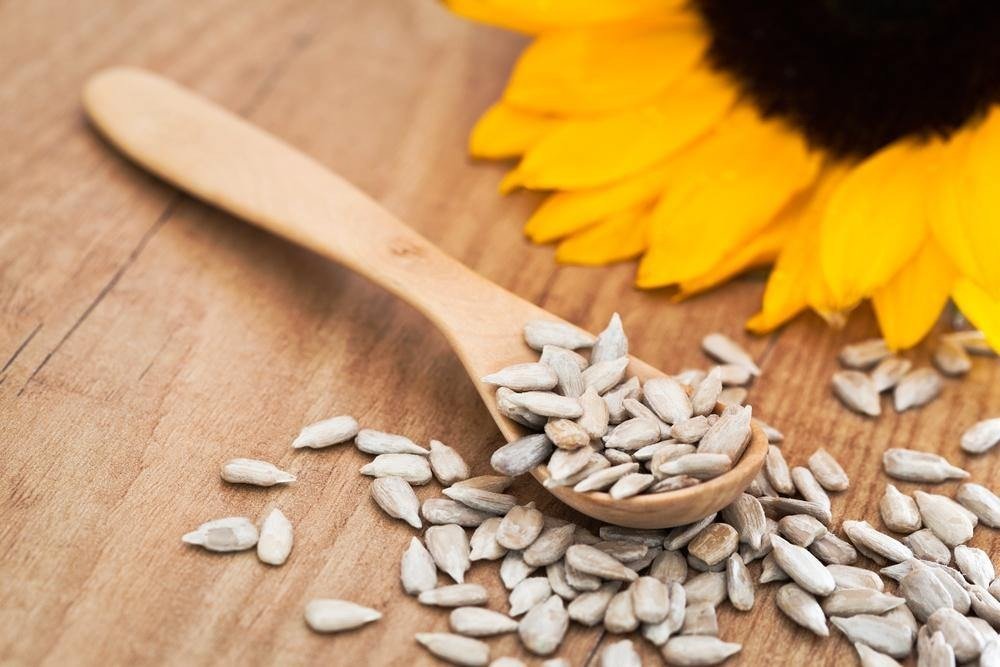
Nutritious seeds that offer benefits: Sunflower seeds are healthy food that has got several health benefits from good fats to protein, fibre, antioxidants and even many important minerals.
A 1- ounce serving of 28 gm has 165 calories, 5.5g protein, 14.1g good fats and 3.2g dietary fibres, hence it works as a perfect compliment to your healthy diet plan.
Sunflower seeds have a naturally healthy portion of Vitamin E as well as include magnesium, copper, selenium,zinc and many vitamins.They are wonderful for snacking,Munch on them or add to salads, yogurt,smoothie,granola bar or trail mix for a yummy crunch.
Why Include Sunflower Seeds in Your Diet?
Today, healthy eating isn’t so much about what trendy new fad diet to adopt, as it is about making the smartest and healthiest choices you can for your lifestyle. More and more are turning toward nutritious food choices that will seamlessly become a part of their everyday diets and here have popped sunflower seeds.
Though they come as quite a tiny package of nutrition, sunflower seeds deliver healthy fat, plant-based protein, fiber, vitamins, minerals and antioxidants. From snacks to as an ingredient in many many recipes, it can often be consumed almost as easily without additional preparation time.
If you’re searching for high quality seeds, the best way to incorporate them into a healthy lifestyle is simple with Jewel Farmer Sunflower Seeds thanks to how fresh, clean and versatile they are in every day meals.
What Makes Sunflower Seeds a Nutritional Powerhouse?
Sunflowers’ Seeds, From Mature Flower Heads, Come Packed Naturally with Nutrient-dense Goodness As you can see from a look at the USDA FoodData Central 1- ounce, 28g serving of shelled sunflower seeds, the natural nutritional punch these come with is fantastic:
| Nutrient | Amount |
| Calories | 165 kcal |
| Protein | 5.5 g |
| Total Fat | 14.1 g |
| Healthy Unsaturated Fat | 12.3 g |
| Carbohydrates | 6.8 g |
| Dietary Fiber | 3.2 g |
Though so little, a helping hand of sunflower seeds pack a substantial nutritional wallop.
Rich in Vitamin E and Essential Minerals
Perhaps one of the greatest nutrition benefit from sunflower seeds is its amazingly high content of vitamin E. One ounce or just about a 1/4 cup, gives you more than half your recommended daily dose for the nutrient that is known for its role as a powerful antioxidant! Sunflower seeds is an extremely high natural source for this nutrient.
They also contain valuable minerals including:
- Magnesium
- Copper
- Selenium
- Zinc
- Iron
- Manganese
- Phosphorus
Each one of these contribute to keeping your body running correctly, your energy levels normal and in general support you health.
B Vitamins That Help Convert Food into Energy
Sunflower seeds additionally provide a wealth of the necessary B-complex vitamins. These are instrumental in aiding the body to transform the carbs, proteins and fats in our foods into readily usable power.
These include:
- Vitamin B5 (Pantothenic Acid)
- Vitamin B6
- Niacin (Vitamin B3)
- Folate
Together, these nutrients may work to ensure our cells continue to function and produce energy normally and make a healthful and simple addition to your everyday diet.
Healthy Fats That Fit a Balanced Diet
Sunflower seeds pack in unsaturated fats that aren’t found in most processed snacks. They contain fat in the forms of:
- Polyunsaturated fat (mostly linoleic acid)
- Monounsaturated fat (mostly oleic acid)
- Very little saturated fat
Simply switching those ultra-processed snack foods for nutrient dense snacks such as sunflower seeds can help you easily step your snacking way towards healthier.
Plant-Based Protein for Everyday Meals
5.5 grams of plant based protein per serving – adds up making your meal/ snack more fulfilling. Sunflower Seeds are delicious paired with just about everything you eat everyday:
- Oatmeal
- Yogurt
- Smoothies
- Grain bowls
- Salads
- Homemade granola
- Trail mix
So good to share with loved ones as you may stir into sweet or salty, savory or savory!
Naturally High in Antioxidants
E Vitamin is one of the fat-soluble compounds found in the cells of the body. Like the antioxidants created in plants called Flavonoids – these are an extra step Sunflower seeds take to protect our bodies against the free radical generated oxidative damage that our cells take hit from day by day – picking more plant packed antioxidant foods is just one method Many people incorporate into their balanced approach to natural wellbeing.
Why They’re Becoming a Popular Everyday Snack
In today’s hustle and bustle of modern living, most people may look for ways on how healthy eating can be more convenient. Fortunately, sunflower seeds are:
- Ready to eat
- Easy to take on the go
- Naturally crunchy
- Lunch box friendly
- Great for work snacks
- Great for travelling
- Perfect for homemade snack mixes
Why go for some processed chips when you can just have a nice handful of some sunflower seeds!
Sunflower Seeds vs. Pumpkin Seeds vs. Chia Seeds
Each seed offers its own nutritional strengths.
| Nutrient (28g) | Sunflower | Pumpkin | Chia |
| Calories | 165 | 158 | 138 |
| Protein | 5.5 g | 8.5 g | 4.7 g |
| Dietary Fiber | 3.2 g | 1.8 g | 9.8 g |
| Vitamin E | Highest | Low | Low |
| Magnesium | Moderate | Highest | High |
Key Takeaways
- An excellent source of Vitamin E, sunflower seeds.
- Pumpkin seeds contain the most protein and magnesium.
- Chia seeds contain the most dietary fiber.
Depending on dietary intent Each seed can be incorporated in a diverse balanced diet.
Raw vs. Roasted Sunflower Seeds
They make sun seeds and offer them in many ways.
Raw Seeds
- Naturally sodium low
- Nutrient-dense
- Mildly flavored
Dry-Roasted Seeds
- similar calories
- better crunchiness
- almost no effect on nutrients
Oil-Roasted & Salted Seeds
Commercial varieties may contain:
- Added calories from cooking oil
- Higher sodium content
- Added flavoring agents
Those watching their sodium consumption will want to go for raw or dry-roasted unsalted sunflower seeds.
Simple Ways to Enjoy Sunflower Seeds Every Day
It is amazingly easy to incorporate them into your food. Try eating them:
- Tossed onto salads
- In a yogurt parfait
- Poured into a smoothie
- Spooned onto oatmeal
- Mixed into homemade granola
- Tossed onto trail mixture
- Heaped onto soup
- Sprinkled onto baked goods
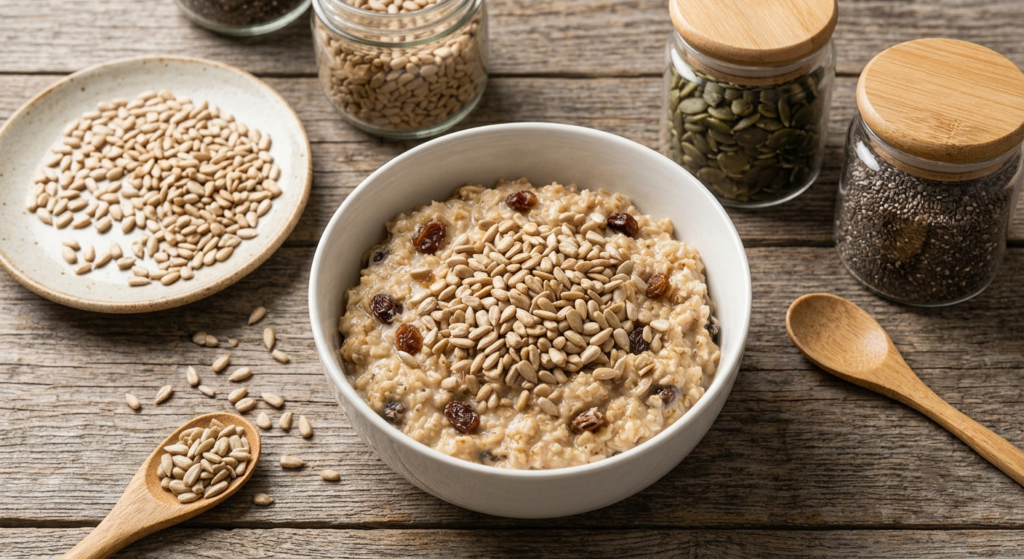
If you’re after something convenient and to keep in your pantry Jewel Farmer Sunflower Seeds fit easily into a breakfast, lunch, snacks or supper.
Tips for Choosing Quality Sunflower Seeds
When buying sunflower seeds, look for:
- fresh scent
- even appearance
- airtight sealed
- lowest possible additives
- unsalted or lightly salted versions
Storing sunflower seeds correctly will also maintain their freshness. To keep their flavor from going bad, store them in a sealed bag or other storage solution when storing opened bags.
If you don’t want to sacrifice quality even during day to day cooking and snacking, opt for Jewel Farmer sunflower seeds as it can go along with your healthy meal and snacks.
Final Thoughts
Consumers seeking healthier options now have many on-the-go snacks that boost both convenience and nutrient intake. Sunflower seeds are an excellent source of plant-based protein, healthy fats, dietary fiber, as well as Vitamin E and important minerals that add up to 13 grams per 2-ounce serving pack. Sunflower Seeds can be conveniently consumed whole, roasted, added as a topping for breakfast, combined with your favorite salada, blended into smoothies and the list goes on. For those wanting high-quality and reliable, Jewel Farmer sunflower seeds can make for an excellent part of your everyday health goals.
Frequently Asked Questions
1. Can I eat sunflower seeds everyday ?
Yes. eating sunflower seeds in moderation as part of a healthy diet can help you get some healthy fats, plant protein, fiber and essential nutrients.
2. Are sunflower seeds good for the heart ?
Sunflower seeds are naturally rich in unsaturated fats and also contain phytosterols. as part of an otherwise good eating plan for the heart, they can be a healthy food ingredient.
3.what is the best way to eat sunflower seeds ?
Many people prefer the greener and drier roasted varieties, without the addition of sodium and oil; this is because the amount of both added when roasting is minimal.
4.are sunflower seeds a good source of protein ?
Yes. a serving of 28g = 5.5g plant protein, which can be as filling a snack or the finishing touch to a meal.
5.what are some ways to incorporate sunflower seeds into my diet ?
Try adding sunflower seed to oatmeal or yogurt or using them to top salad or smoothies, homemade granola or trail mix, in soups, in baked goods or of course, to snake on the go.